Selling a property in an area at risk of flooding can raise additional questions for homeowners, estate agents, buyers, mortgage lenders and insurers.
Flood risk does not automatically prevent a property from being sold. However, current consumer-protection requirements mean that relevant information about a property's flood risk should not simply be left until the later stages of a transaction.
For sellers, this makes preparation increasingly important.
If a property has an identified flood risk, demonstrating that practical flood-resilience measures are available or already in place can help show prospective purchasers that the risk has been considered and actively managed.
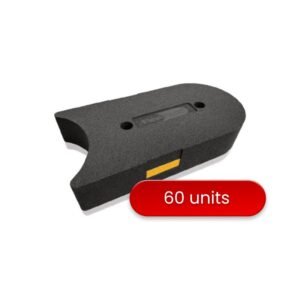
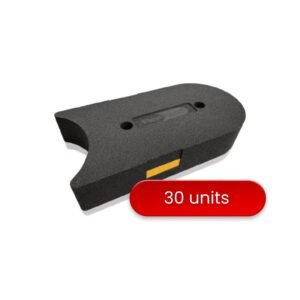
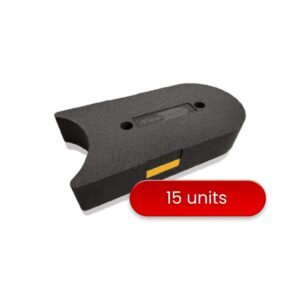
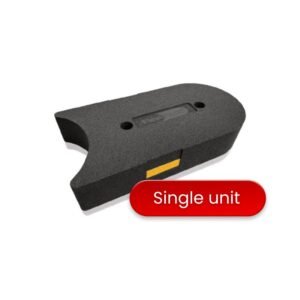
FlexiFlood™ Flood Defence Blocks provide a reusable temporary flood-barrier solution that can form part of that preparation.
Flood risk must be considered when marketing a property
Under the Digital Markets, Competition and Consumers Act 2024, property professionals have responsibilities around providing prospective buyers with the material information they need to make informed decisions.
The Government's guidance on material information in property listings specifically identifies flood risk as one of the categories that may need to be disclosed to prospective purchasers.
Government guidance states that relevant information must be provided "clearly, intelligibly and in a timely manner" and explains that omitting information a buyer needs to make an informed decision can amount to a misleading omission.
In practical terms, this means sellers and estate agents should establish the property's flood position early, rather than waiting until conveyancing is well underway.
Read the Government guidance on material information in property listings.
Do you have to disclose previous flooding?
Information about previous flooding and known flood risk can be important during a property transaction. The Law Society's TA6 Property Information Form includes questions relating to flooding, helping buyers and their legal representatives understand whether a property has previously been affected.
The Ready Steady Sell 2026 guide also highlights the importance of being open about known flood risk and keeping evidence of any resilience work that has been carried out.
Transparency does not have to mean simply telling a buyer that there is a risk. Sellers can also provide evidence showing what has been done to manage it.
Read the Ready Steady Sell guide to selling a house in a flood-risk area.
Flood-resilience measures can strengthen the evidence provided to buyers
Examples of Property Flood Resilience measures can include:
- Flood doors and barriers
- Non-return valves
- Airbrick covers
- Sump pumps
- Raised electrical installations
- Other measures designed to reduce the amount of water entering a property or limit the damage caused by flooding
Keeping receipts, photographs, product information and other documentation relating to resilience measures can help demonstrate to buyers that flood risk has been actively considered rather than ignored.
Government guidance recognises removable flood barriers
UK Government guidance recognises temporary and removable barriers as part of the range of measures that can be used to improve Property Flood Resilience.
Government planning guidance refers to measures such as "air brick covers or removable flood barriers" as ways of helping to reduce the amount of floodwater entering a building.
Separate guidance for homeowners and businesses also advises people in flood-risk areas to consider temporary removable flood barriers as part of their preparations.
Read the Government guidance on flood risk and coastal change.
Read the Government guidance on adapting your home or business to flood risk.
Where FlexiFlood™ fits
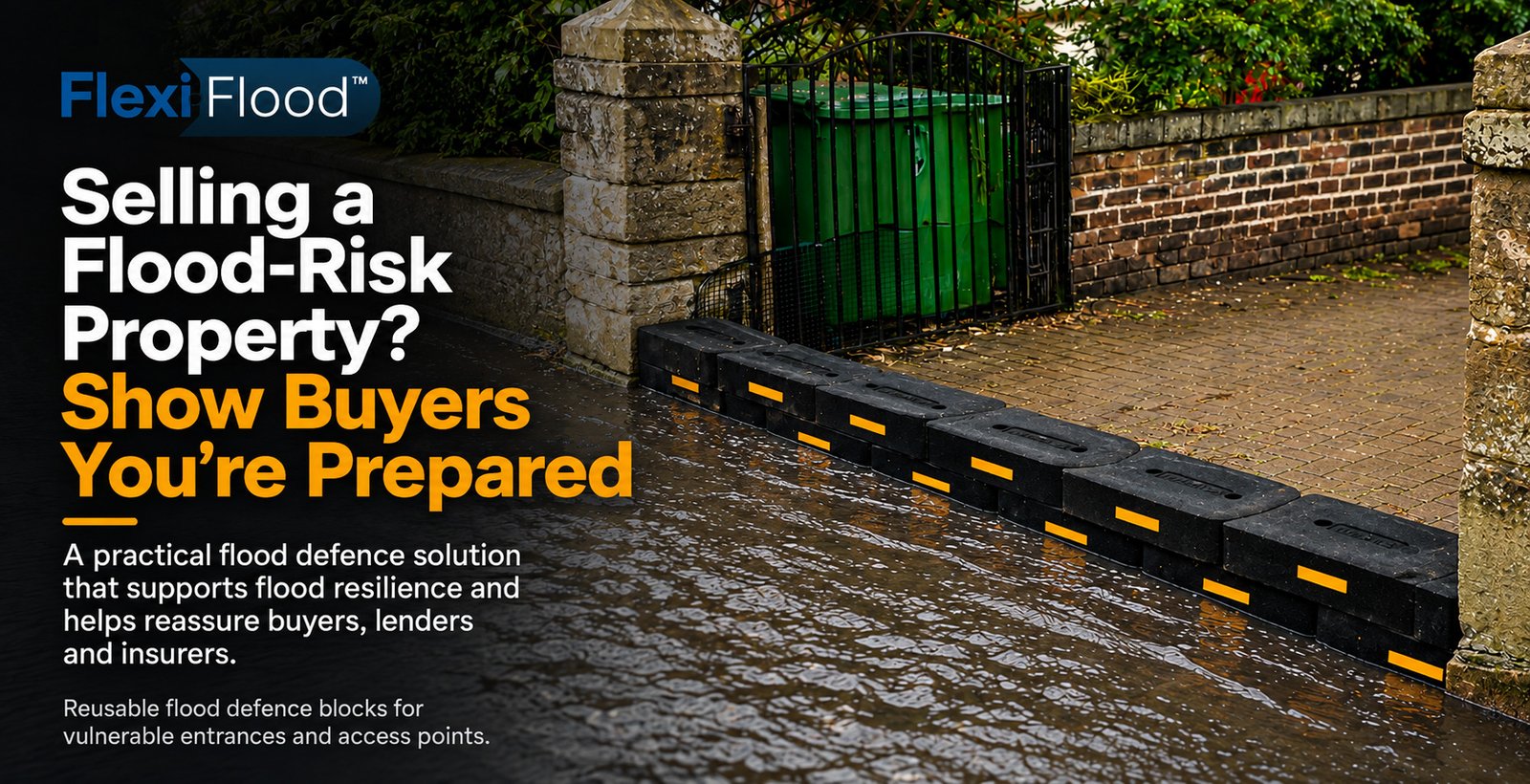
FlexiFlood™ Flood Defence Blocks provide a reusable way of creating a temporary flood barrier around vulnerable parts of a property.
The blocks are designed to be quickly placed into position and connected together, allowing users to block or redirect water without the need to fill traditional sandbags.
Once the immediate flood risk has passed, the blocks can be cleaned, stored and reused.
For properties in areas at risk of flooding, having appropriate flood protection measures in place can help demonstrate that the risk has been actively considered and managed. FlexiFlood™ provides a practical, reusable flood defence solution that can support a wider flood-resilience strategy and help give prospective buyers, insurers, lenders and property professionals greater confidence in the property's preparedness.
Key benefits of FlexiFlood™ include:
- Rapid deployment when flood warnings are issued
- No sand filling required
- Blocks designed to connect together without gaps
- Ability to block or redirect water flow
- Reusable construction
- Easy cleaning and storage after deployment
- Made using recycled rubber materials
- Reflective detailing to improve visibility
Why having flood defences in place can matter to buyers and lenders
Flood risk can affect more than the physical condition of a property. It may also influence buyer confidence, insurance availability, mortgage considerations and the overall saleability of a home.
The Government's FloodReady action plan recognises that improving the flood resistance and recoverability of properties is important for maintaining confidence among insurers, mortgage lenders and the public in the insurability and saleability of homes.
Read the Government's FloodReady action plan.
This does not mean that installing a particular flood defence guarantees a sale, mortgage or insurance policy. Flood history, the type and severity of risk, insurance availability, lending criteria and the individual property will all influence a transaction.
However, demonstrating that practical resilience measures are in place can help provide buyers and other stakeholders with clearer evidence that the identified risk is being actively managed.
Can you sell a home in a flood-risk area?
Yes. There is no general rule preventing a home in a flood-risk area from being marketed or sold simply because of its flood-risk status.
The important distinction is between disclosing relevant flood-risk information and installing flood-resilience measures.
Where flood risk constitutes material information, sellers and property professionals may need to ensure it is communicated appropriately. Installing flood defences is not a universal legal prerequisite for marketing a property, but having suitable resilience measures in place can help demonstrate preparedness and may provide additional reassurance to buyers, insurers, lenders and property professionals.
Preparing a flood-risk property before it reaches the market
For owners planning to sell a property in a flood-risk area, sensible preparation can include:
- Checking the official long-term flood risk for the property.
- Obtaining a more detailed property-specific flood assessment where appropriate.
- Gathering information about any previous flooding.
- Checking the availability and cost of buildings insurance.
- Identifying appropriate Property Flood Resilience measures.
- Keeping evidence of any flood-protection measures installed or purchased.
- Providing relevant flood-risk information to the estate agent before the property is marketed.
Check the long-term flood risk for a property on GOV.UK.
FlexiFlood™ as part of a property's flood-resilience plan
For homeowners, landlords and businesses in areas where temporary barriers are an appropriate solution, FlexiFlood™ offers a practical way to demonstrate preparedness.
Having a reusable barrier system available at the property can form part of a wider package of evidence showing that the owner understands the identified risk and has taken practical measures to reduce potential flood damage.
This can be particularly useful when prospective buyers ask questions such as:
- What happens if a flood warning is issued?
- What protection is already available?
- Has the property flooded before?
- How quickly can protection be deployed?
- What measures have been taken to reduce future damage?
Rather than simply acknowledging the risk, the seller can demonstrate how they are prepared to respond.
A practical alternative to traditional sandbags
Traditional sandbags have long been associated with emergency flood response, but they also have practical limitations. They need to be sourced, filled and transported and, once contaminated by floodwater, may require careful disposal.
FlexiFlood™ provides a reusable alternative designed for repeated deployment.
For individual homeowners, local authorities, businesses and organisations responsible for flood-response planning, this provides a way to prepare in advance rather than trying to source emergency materials after a flood warning has already been issued.
Flood resilience can support property saleability
The most important message for anyone selling a home in a flood-risk area is that the risk should be addressed openly and proactively.
Current Government policy is moving towards providing buyers with relevant information earlier in the property transaction, with flood risk specifically identified as information that may be material to a purchasing decision.
Rather than viewing flood resilience solely as a problem to overcome, sellers can demonstrate how that risk is being managed.
A property with documented flood-resilience measures, appropriate insurance information and a clear response plan can provide prospective buyers with greater reassurance than one where the issue has been left unanswered.
FlexiFlood™ Flood Defence Blocks can form part of that preparation by providing a reusable, deployable physical flood barrier for properties where this type of protection is appropriate.
Please note: Flood risk varies between individual properties. The suitability of any flood defence measure will depend on factors including the source, depth and speed of expected floodwater. Property owners should seek appropriate professional advice where necessary, particularly where deeper flooding could affect the structural integrity of a building.